Thinking about moving up and torn between Chandler and Gilbert? You are not alone. Both Southeast Valley cities offer great neighborhoods, strong amenities, and a range of home styles that appeal to growing households. In this guide, you will learn how the two cities compare on value, inventory, schools, commutes, amenities, and carrying costs, plus a step‑by‑step plan to make your move‑up purchase smooth. Let’s dive in.
Quick snapshot: Chandler vs. Gilbert
| Topic |
Chandler |
Gilbert |
| Housing mix |
Wider variety, from established neighborhoods to newer master‑planned areas |
Heavily master‑planned with many newer subdivisions |
| Downtown vibe |
Walkable historic downtown and the Chandler Fashion Center area |
Heritage District dining hub with a concentrated main street feel |
| Commute anchors |
Close to Price Corridor tech and major freeways |
Good access to medical, education, and tech clusters; quick reach to Loop 202 |
| New construction |
Select infill and south Chandler options |
Broader selection near town edges and new subdivisions |
| Lot sizes |
Mix of larger lots in older areas and standard lots in master‑planned communities |
Many planned communities with consistent lot sizes and neighborhood amenities |
| School districts |
Primarily Chandler Unified, with boundary overlaps |
Primarily Gilbert Public Schools and Higley Unified in some areas |
| Typical lifestyle |
Variety and proximity to employers and entertainment |
Suburban ease with newer homes and a lively dining core |
Pricing and value for space
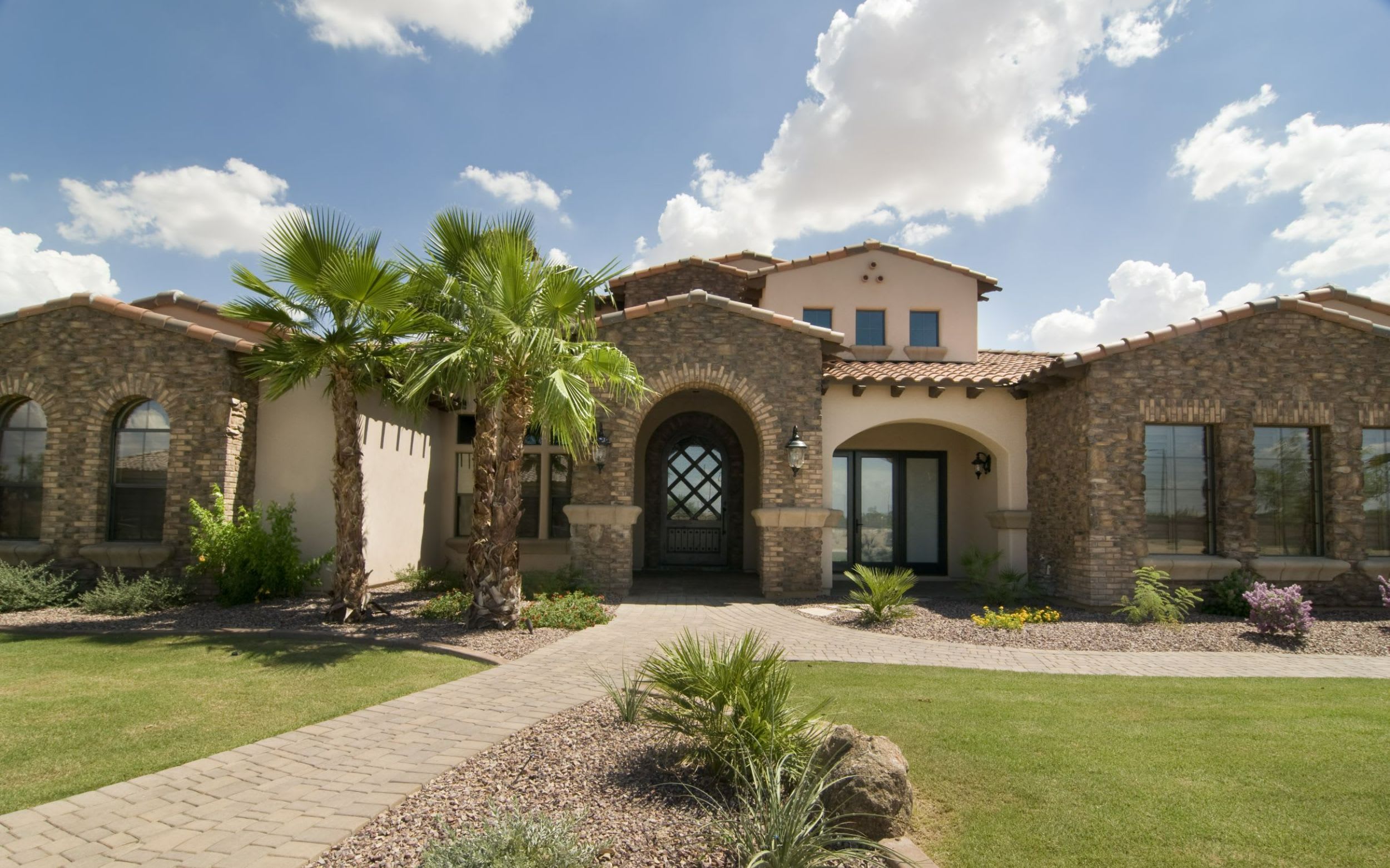
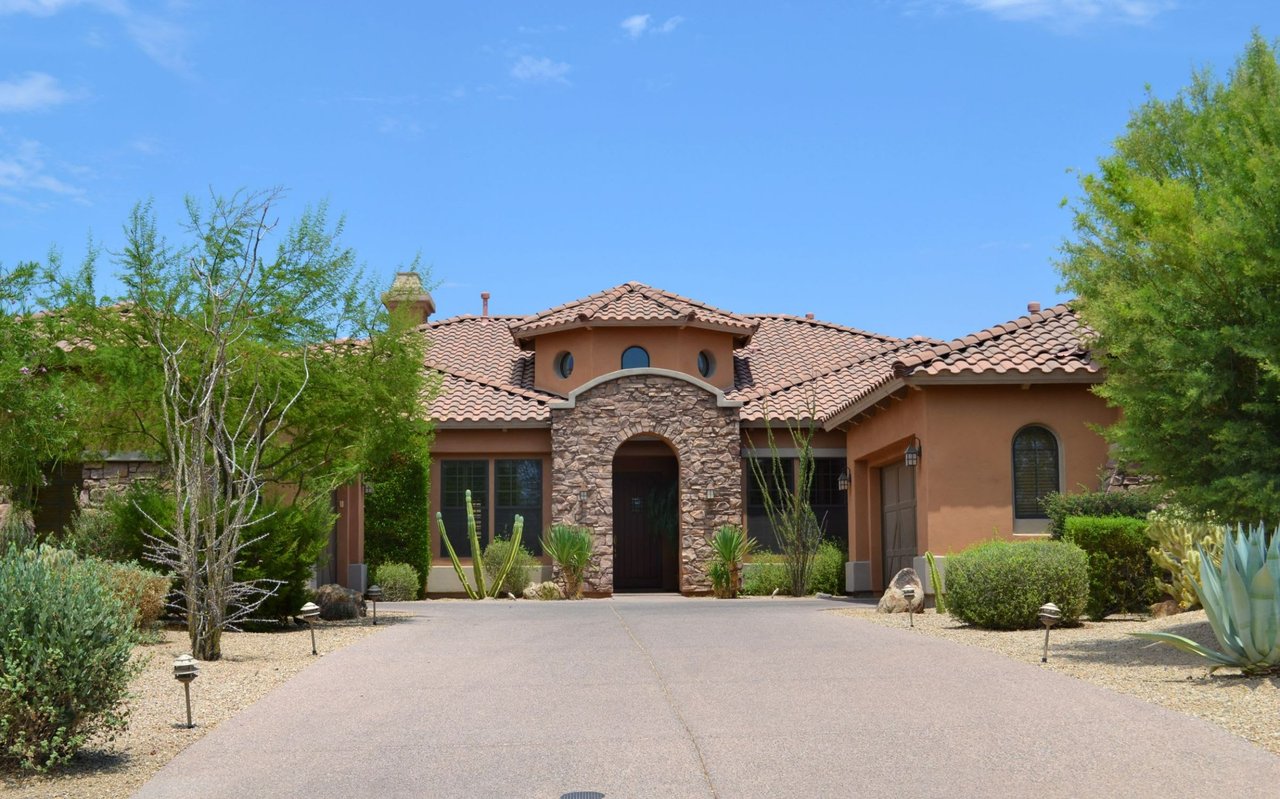
As a move‑up buyer, you likely want more square footage, an extra bedroom, or a bigger yard. In general, Chandler provides a broader spread of options, including remodeled homes in established neighborhoods and upgraded homes in newer master‑planned pockets. Gilbert often leans newer overall, with many floor plans designed for modern living.
What you might expect at common move‑up budget levels varies by neighborhood. In Chandler, that could mean a renovated home with mature landscaping close to major employers, or a newer build in south Chandler with community amenities. In Gilbert, that same budget often targets a recent‑year build in a planned subdivision with neighborhood parks and community paths. Specific pricing shifts month to month, so plan to review a fresh market snapshot before you write offers.
Inventory and home types
Both cities feature master‑planned communities, but the age mix is different. Gilbert tends to have more homes built in recent decades, often with open layouts and energy‑conscious features. Chandler blends established neighborhoods near its core with newer developments further south and east.
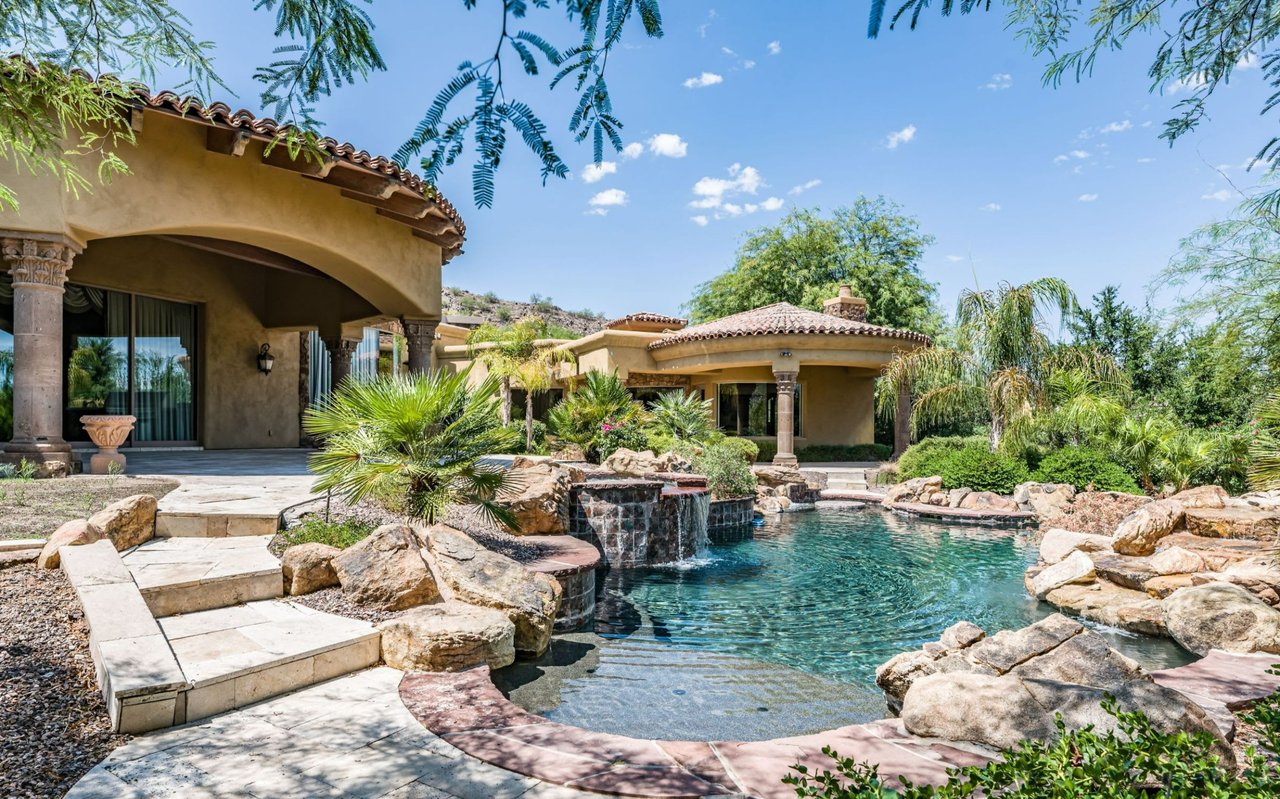
If you want a larger lot or a pool‑ready backyard, both cities have options. In Chandler, you will see more variety across lot sizes and architecture in older pockets. In Gilbert, you will find many consistent subdivisions with community pools, greenbelts, and play areas. New construction appears more frequently near the edges of both cities, with model homes and spec inventory fluctuating by season.
Schools and districts
Both cities are served by highly regarded public school districts. Addresses in Chandler may fall within Chandler Unified, while Gilbert addresses may be zoned to Gilbert Public Schools or Higley Unified in certain areas. Boundaries can cross city lines, so the exact address matters.
If schools are a top priority, verify your specific attendance zones and look into programs like STEM tracks, career and technical education, and magnet or accelerated options offered by the districts. Consider touring campuses, checking state performance data, and confirming feeder patterns from elementary through high school before finalizing a neighborhood.
Commute and major employers
Your commute can be a key tiebreaker. Chandler is home to major tech and advanced manufacturing employers in the Price Corridor and south Chandler. Proximity to Loop 101, Loop 202, and the US‑60 helps if you travel to Tempe, Scottsdale, or downtown Phoenix. Gilbert has growing medical and tech corridors and convenient access to Loop 202.
Drive times vary by time of day and neighborhood. If commute is critical, test your actual route during peak hours from a few shortlisted communities. Also consider school drop‑off routes, weekend activity patterns, and how close you want to be to grocery, healthcare, and youth activities.
Amenities and lifestyle
Both cities deliver a strong lifestyle. Gilbert’s Heritage District is a dining and events hub with a compact, walkable feel. Downtown Chandler blends restaurants, culture, and community events, while the Chandler Fashion Center area offers major retail and entertainment.
Across both cities, you will find community parks, neighborhood trails, golf courses, and options for youth sports and recreation. If you want weekly nightlife and dining within a short drive, focus near the downtowns. If you prefer larger yards and quieter streets, look to master‑planned or established neighborhoods a bit farther from the cores.
Taxes, HOAs, and carrying costs
Both cities are in Maricopa County, and property taxes vary by neighborhood, improvements, and district levies. Many subdivisions have HOA fees that cover common areas, amenities, and community standards. These monthly or quarterly costs can materially change your budget.
Use this quick checklist to estimate your total monthly carry:
- Principal and interest based on your target purchase price and rate
- Property taxes specific to the address and home type
- HOA fees for the subdivision and any community transfer costs
- Home insurance, plus any special coverage required
- Utilities and landscape upkeep, especially for larger yards and pools
Resale and market dynamics
If future resale is on your mind, pay attention to days on market, neighborhood turnover, and buyer demand near employers, parks, and shopping. Well‑located homes in established areas and newer master‑planned neighborhoods with consistent upkeep tend to show steady demand.
Renovated homes in Chandler’s established pockets can attract buyers who value location and lot size. Newer homes in Gilbert’s planned communities draw buyers who want modern layouts and neighborhood amenities. Your agent can pull a recent snapshot of absorption rates and seller concessions by neighborhood so you can choose with confidence.
Buyer profiles and fit
- You want variety and near‑employer access: Chandler often fits if you value a mix of older character homes and newer builds close to the Price Corridor and major freeways.
- You want newer builds and a vibrant dining core: Gilbert is a strong match if you prefer master‑planned living, extensive parks, and the Heritage District’s restaurant scene.
- You want larger yards and outdoor living: Both cities offer options. Focus your search on established areas for larger lots, and newer planned communities for amenities and neighborhood standards.
- You want liquidity and long‑term value: Look for neighborhoods with consistent turnover, strong upkeep, and proximity to schools, parks, and shopping in either city.
Move‑up strategy and timing
Buying your next home while selling your current one takes planning. Use this simple plan to reduce stress and protect your negotiating power.
- Clarify goals and must‑haves. Define bed/bath count, yard size, commute tolerance, and school needs.
- Get preapproved and model scenarios. Review options like bridge loans or HELOCs to buy first if needed.
- Price and prep your current home. Professional staging, repairs, and timing help maximize net proceeds.
- Decide on sequencing. Choose whether to buy first, sell first, or use a contingent offer after reviewing local competition.
- Build a contingency plan. Consider rent‑back agreements, short‑term housing, or accelerated timelines.
- Tour neighborhoods at peak times. Drive commutes, visit parks and downtowns, and verify school zones.
- Write a strong offer. Lean on current comps, inspection strategies, and clean terms that fit your risk tolerance.
What to watch in the next 2–5 years
Keep an eye on planned infrastructure, employer expansions, and new community approvals in both cities. Road improvements can shift commute times, and new employment nodes can drive housing demand. New‑build phases will impact inventory, price per square foot, and competition for specific floor plans.
How we help you compare
You do not have to choose between Chandler and Gilbert on guesswork. With nearly two decades of Southeast Valley experience, professional staging to maximize your sale, and proven negotiation on mid‑market through seven‑figure deals, our team guides you from first tour to final keys. We will pull a fresh market snapshot, model your carry costs, and map commute and school options so your choice fits your life today and five years from now.
Ready to compare neighborhoods and plan your move‑up timeline? Connect with Celina Acosta for a personalized strategy session.
FAQs
What are the main differences between Chandler and Gilbert for move‑up buyers?
- Chandler offers a wider variety of home ages and quick access to major tech employers, while Gilbert leans newer with many master‑planned communities and a lively Heritage District.
Are public schools stronger in one city over the other?
- Both cities are served by well‑regarded districts; strength varies by specific school and attendance zone, so verify the exact address and feeder pattern before you buy.
Is new construction easier to find in Chandler or Gilbert?
- Newer subdivisions are more common in parts of Gilbert and on the edges of both cities, while Chandler also offers select new builds plus a larger mix of renovated resale homes.
How do HOA fees and taxes affect my budget in these cities?
- HOAs are common in planned communities and property taxes vary by neighborhood; include both line items in your monthly carry estimate to avoid surprises.
What if I need to buy a new home before I sell my current one?
- Explore financing tools like bridge loans or a HELOC and consider a rent‑back or short‑term housing plan to keep your timing flexible.
Which city is better for commuting to major job centers?
- Chandler is very close to the Price Corridor and major freeways, while Gilbert offers strong access to Loop 202 and medical and tech clusters; test your route during peak hours.
Will my contingent offer be competitive in Chandler or Gilbert?
- It depends on neighborhood tempo and inventory; strengthen your offer with solid preapproval, clear timelines, and terms that reflect current seller expectations.