If you have looked at luxury home prices in Scottsdale and wondered why two homes with similar square footage can be priced miles apart, you are asking the right question. In this market, price is not just about size. It is shaped by location, views, privacy, amenities, buyer expectations, and how well the home is presented. If you are thinking about selling or buying in Scottsdale, understanding that pricing logic can help you make smarter decisions. Let’s dive in.
Scottsdale luxury is not one market
Scottsdale is a large, varied city with a very different feel from one area to the next. According to the City of Scottsdale, the city stretches 31 miles from north to south, covers 184.5 square miles, and includes the McDowell Sonoran Preserve. The city also reports the highest median housing price among the large Valley cities.
That big-picture context matters, but it does not tell the whole story. Zillow’s Scottsdale data shows a citywide average home value of $858,022 as of March 31, 2026. At the same time, North Scottsdale luxury areas can sit far above that benchmark, with Realtor.com reporting a median listing price of $1.649 million in ZIP code 85266.
This is why luxury pricing in Scottsdale works best when you think of it as a group of smaller pricing ecosystems. A citywide average gives you context, but it does not set the list price for a specific luxury property.
Why luxury prices vary so much
The short answer is scarcity. In Scottsdale, not every home offers the same setting, privacy, topography, views, or access to lifestyle features. Those differences can create major pricing gaps, even within the same ZIP code.
The city’s Sensitive Design Program helps explain why. Scottsdale’s planning guidance emphasizes preserving scenic views, respecting the Sonoran desert environment, and responding to natural land features. In foothill areas, lot patterns can range from one to five acres, which can dramatically affect privacy and usable outdoor space.
That plays out clearly in pricing data. Zillow neighborhood values show wide variation, with DC Ranch around $2.45 million, Desert Highlands around $3.22 million, Pima Acres around $2.73 million, Pinnacle Peak Heights around $2.24 million, and Troon around $1.62 million. Inside North Scottsdale, Realtor.com data summarized in the research also shows a broad spread, from Bellasera at about $1.25 million to Whisper Rock at about $5.995 million.
What actually drives Scottsdale luxury value
Views and setting
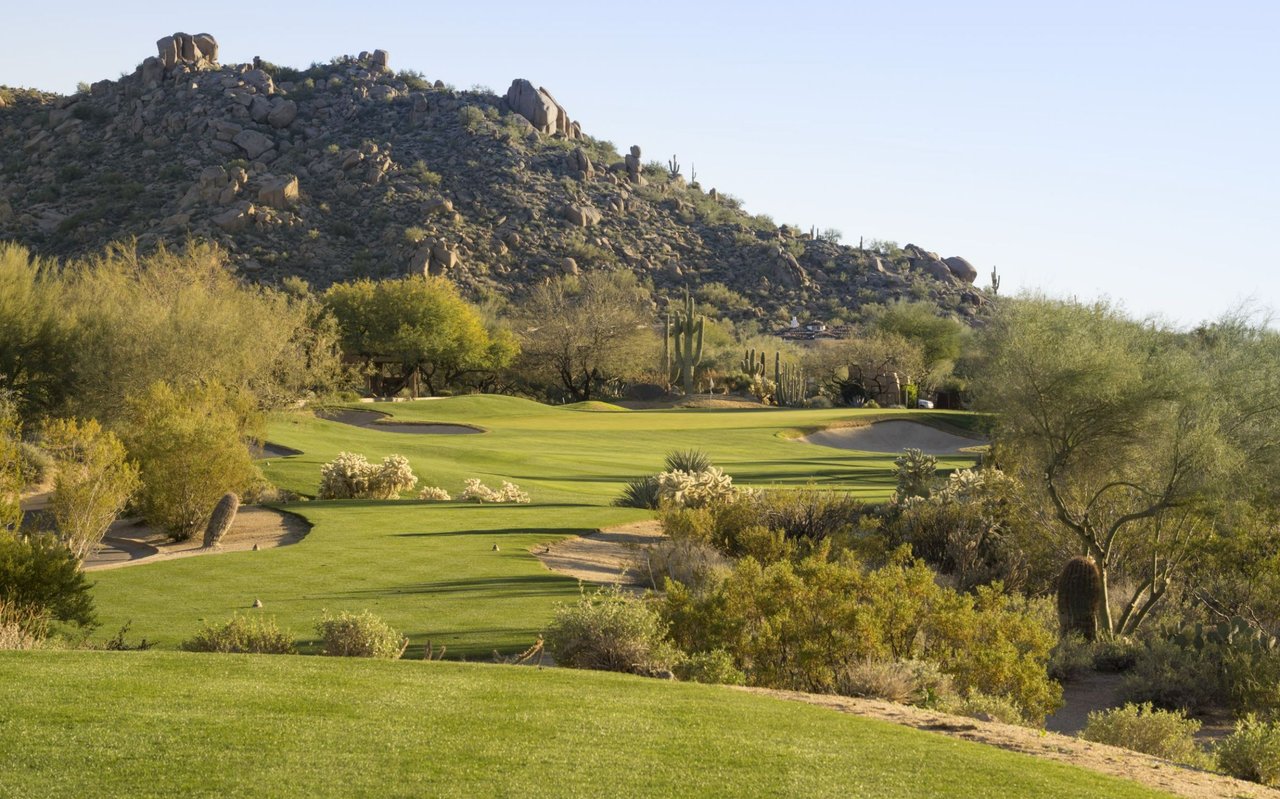
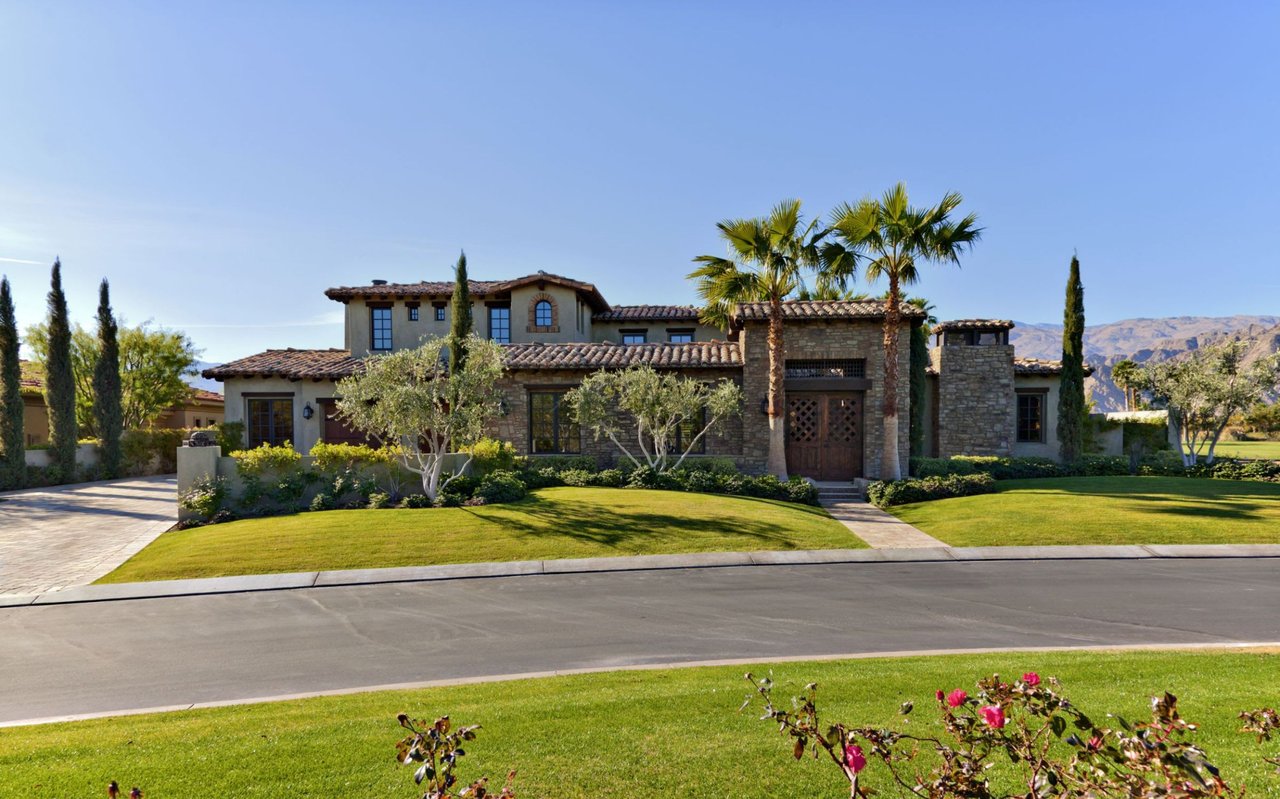
In Scottsdale, the natural setting is part of the product. Mountain views, desert vistas, and visual privacy can carry real pricing power. The city’s design rules and scenic corridor goals support the idea that protected views and the surrounding landscape are not just nice extras. They are part of what buyers are paying for.
A home tucked into a hillside with open sightlines can compete very differently from a similar-sized home without those features. Even if both homes are updated, the one with stronger view corridors or more privacy often sits in a different pricing lane.
Lot size and privacy
Luxury buyers often care as much about the land as the house itself. Larger lots may offer more privacy, more separation from neighbors, and more room for resort-style outdoor living. In parts of Scottsdale where lot patterns are more spacious, that can become a major value driver.
This is one reason two homes with similar interiors may not be true comps. If one property has a more private site, more usable outdoor area, or better orientation to the landscape, the market may reward it.
Architecture and condition
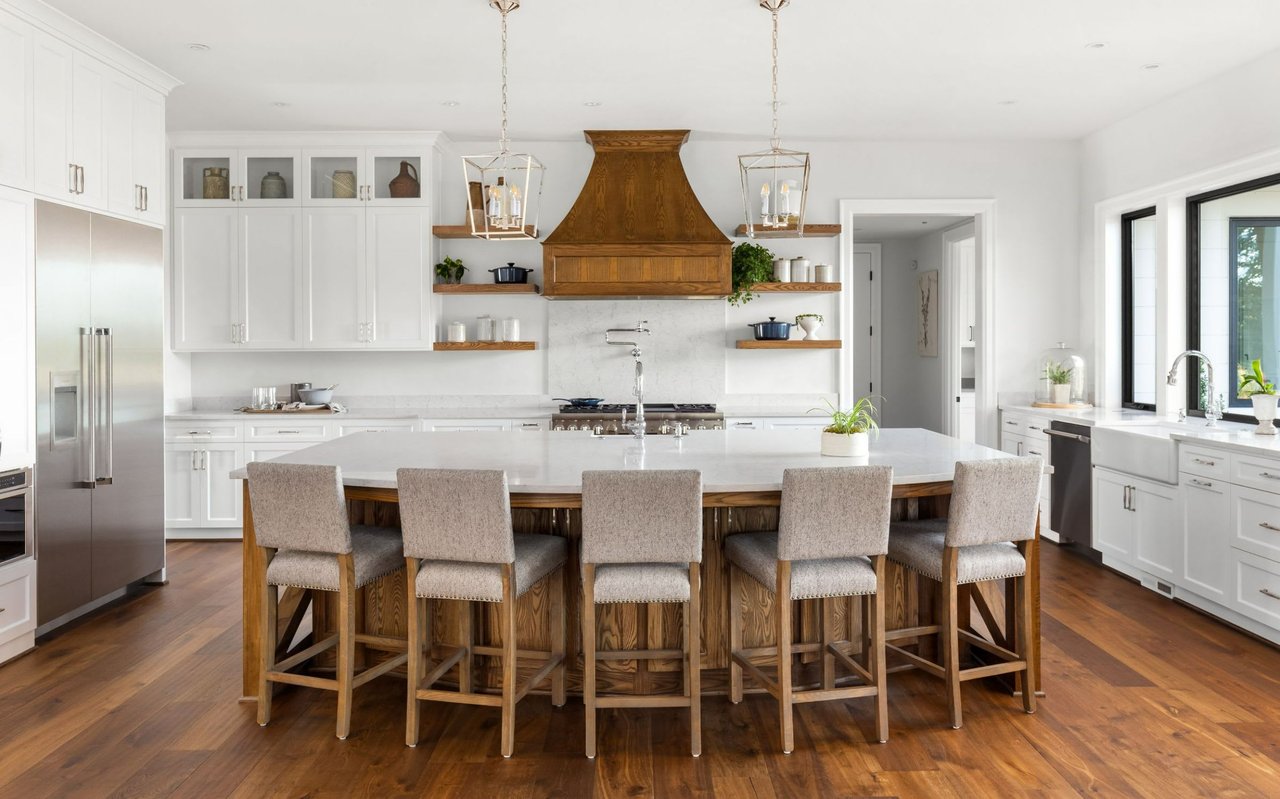
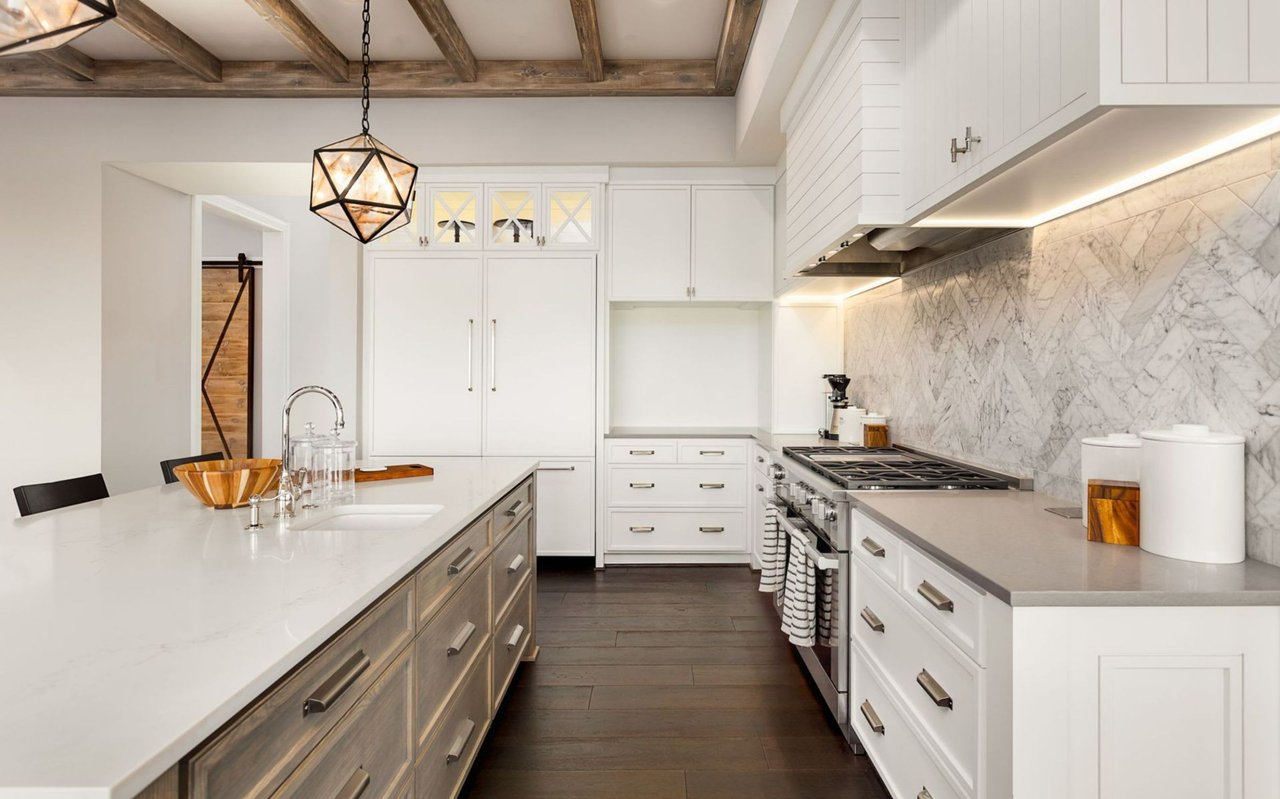
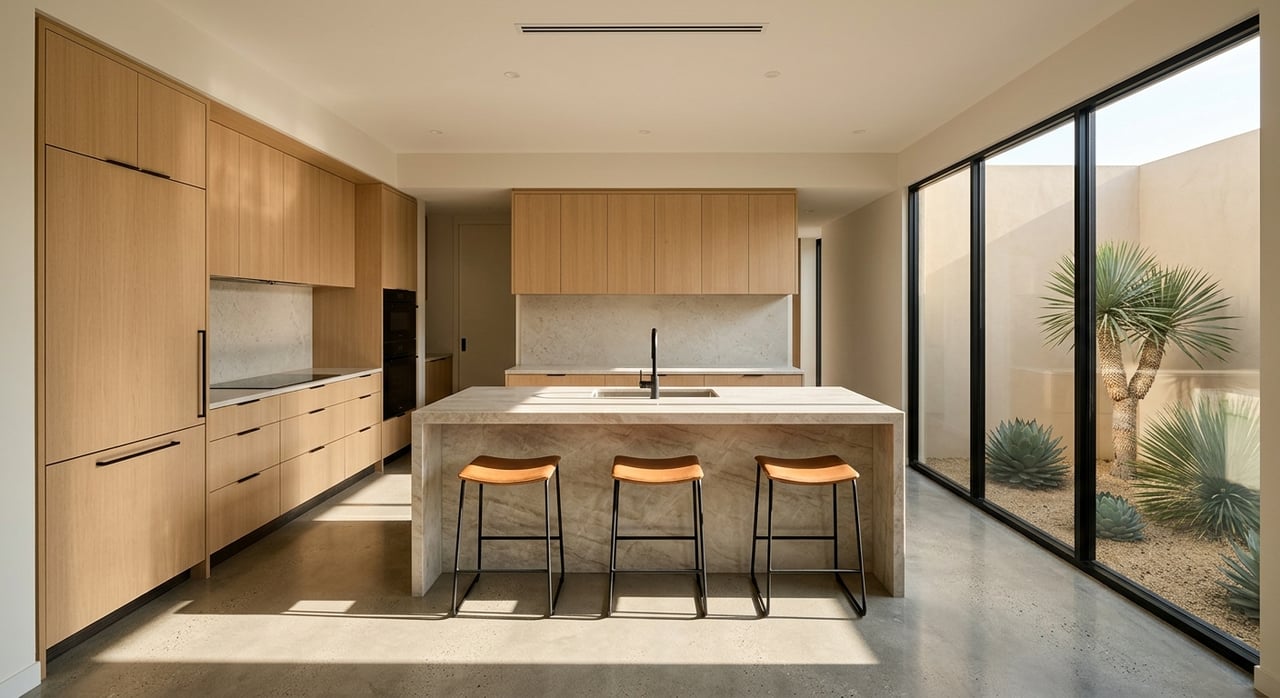
Pricing also depends on how well the home fits buyer expectations for its price point. Design quality, floor plan flow, finishes, and condition all shape perceived value. In the luxury tier, buyers tend to notice details quickly.
The National Association of Realtors notes that agents typically evaluate size, location, amenities, and condition when building a pricing recommendation. In Scottsdale luxury, architecture and condition often matter more than they would in a more standardized neighborhood because homes can differ so much in style and setting.
Amenities and club access
Outdoor living and private amenities are central to the Scottsdale lifestyle. The city maintains 150 miles of neighborhood trails and 220 miles of trails in the McDowell Sonoran Preserve, while the Indian Bend Wash Greenbelt adds another major recreation corridor through the city.
In some luxury communities, golf access, club amenities, and private community features influence value too. But those details need careful review. The research notes that in Desert Mountain, membership pricing and dues may not be included in MLS guidance, which means buyers and sellers need to understand exactly what is and is not transferring with the property.
Why square footage is only part of the story
Square footage still matters, but it is only one piece of the pricing puzzle. In Scottsdale luxury, a larger house does not automatically command the highest price if the lot, view, privacy, or presentation is weaker.
That is why a broad citywide CMA usually is not enough for a luxury home. The best pricing strategy often comes from a narrower comp set that accounts for architecture, lot characteristics, view quality, and community-specific amenities. In practical terms, nearby homes may still not be comparable if they offer a very different lifestyle package.
How agents build a luxury pricing strategy
Start with the right comp set
According to NAR’s consumer pricing guide, comps usually include recently sold, under-contract, and active listings in the same market area. In Scottsdale luxury, that process has to be more selective.
A strong pricing recommendation often filters by:
- Neighborhood or micro-location
- Lot size and privacy
- View quality
- Architecture and finish level
- Amenity package
- Recent buyer activity at that price point
This helps prevent a seller from anchoring to a property that looks similar on paper but lives very differently in person.
Match price to seller goals
Pricing is not just about value. It is also about strategy. If your goal is to maximize attention early, your pricing may look different than if you are willing to test the market more slowly.
NAR’s seller guidance says sellers who want speed often price toward the lower end of the realistic range. The same guidance notes that if a home sits for more than 30 days without an offer, a price reduction may need to be considered.
That matters in Scottsdale because the luxury segment is not a blank-check market. The Institute for Luxury Home Marketing’s 2024 Scottsdale review set the luxury threshold at $900,000 and described the market as balanced based on a 20.3% sales ratio, not an extreme seller’s market.
Factor in negotiation reality
Luxury pricing should leave room for how buyers actually behave. Scottsdale’s broader market showed a median sale-to-list ratio of 0.971 in Zillow’s data, while 85266 was selling at about 98% of asking price according to the research summary. That suggests sellers can still command strong prices, but buyers remain price-aware.
An ambitious list price can work if the home is rare and well-positioned. But if the home is overpriced, underprepared, or marketed too narrowly, it can lose momentum fast.
Presentation matters more than many sellers think
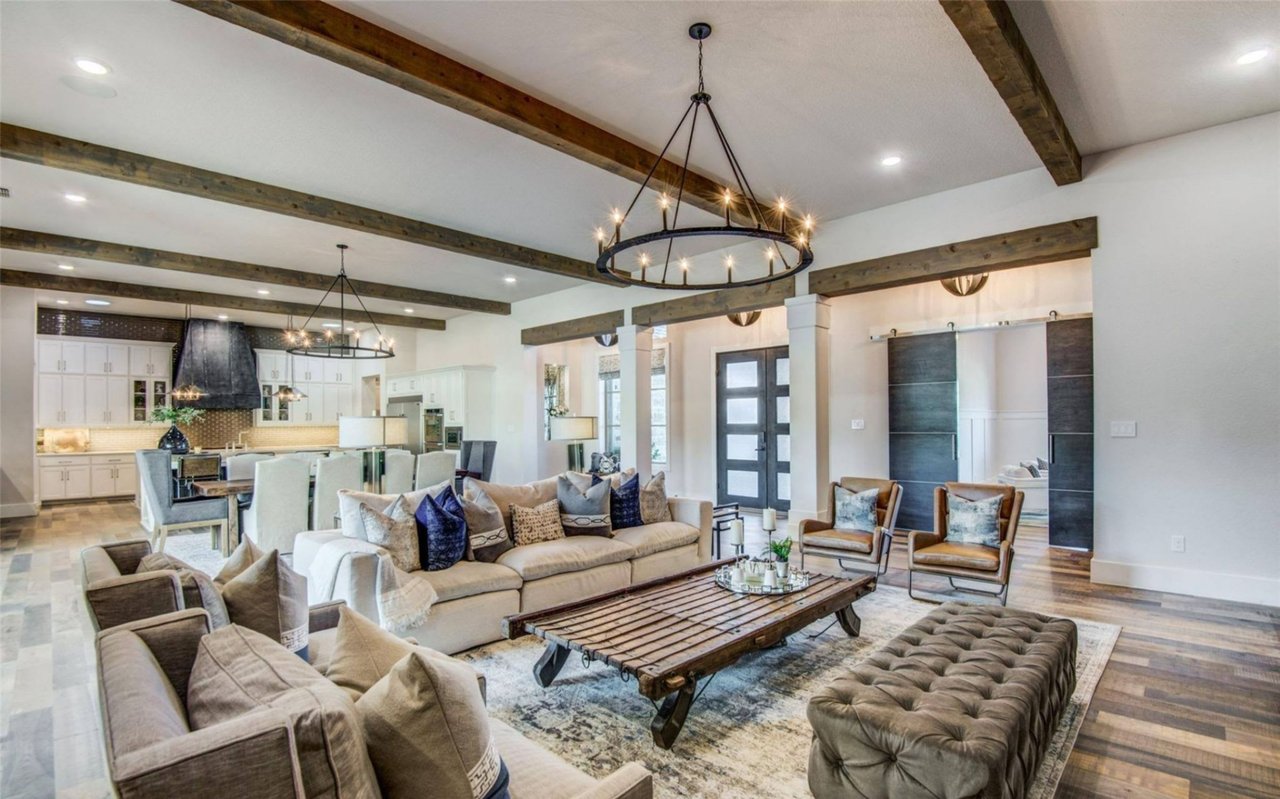
In luxury real estate, pricing and presentation work together. A strong price can be undermined by weak photos, cluttered rooms, or an exterior that does not match buyer expectations. On the other hand, thoughtful preparation can support stronger perceived value.
The NAR 2025 home staging snapshot found that 83% of buyers’ agents said staging made it easier for buyers to visualize a home. It also found that 29% of agents said staging increased the dollar value offered by 1% to 10%, and 49% of sellers’ agents said staging reduced time on market.
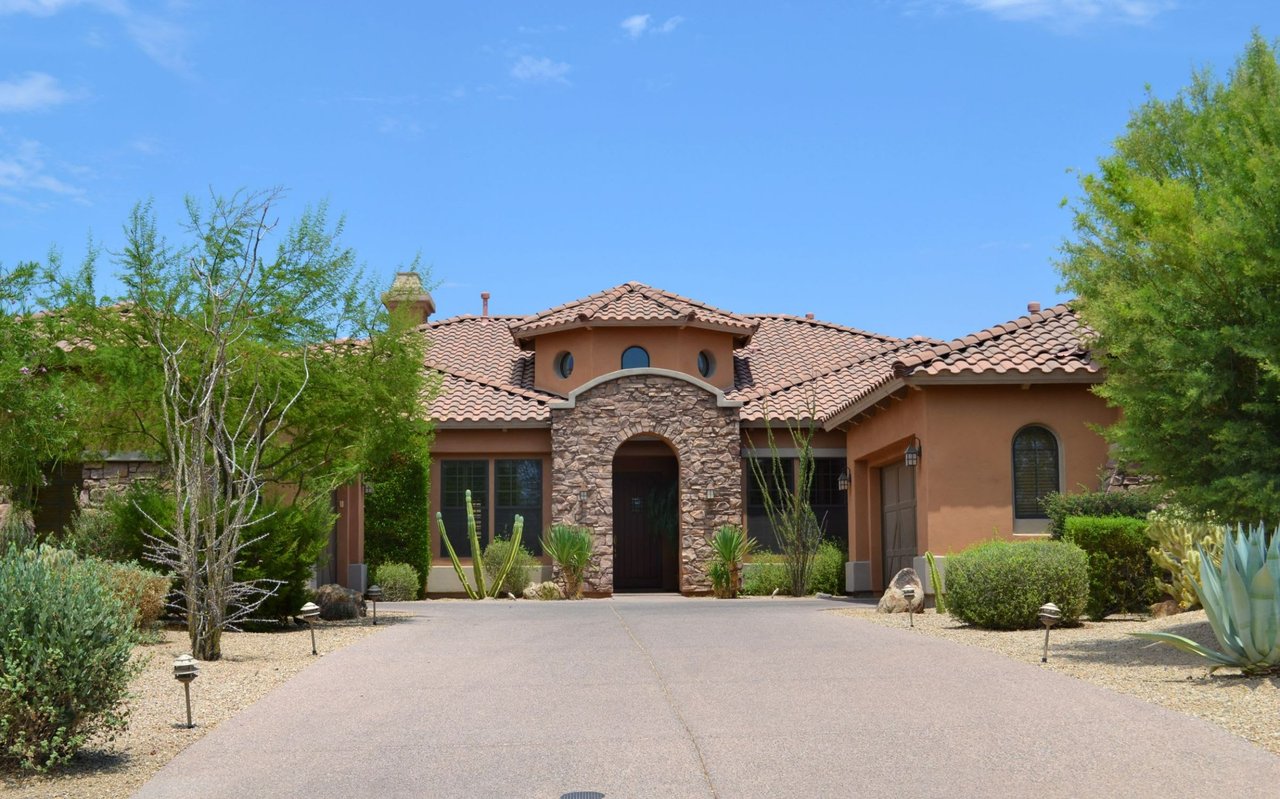
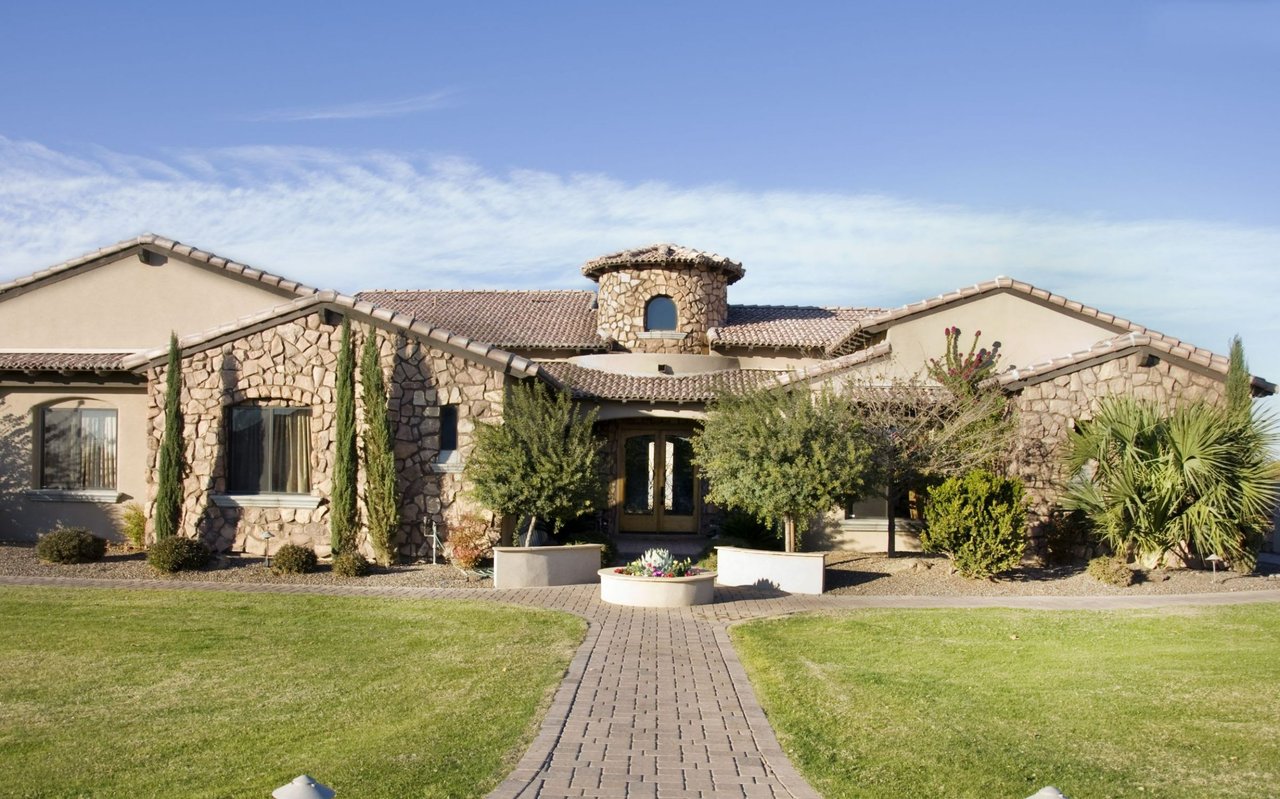
In a place like Scottsdale, that matters even more because lifestyle is such a large part of the sale. Buyers are not just evaluating rooms. They are reacting to the full experience, including curb appeal, outdoor living, views, and how the home photographs online.
Buyer psychology in today’s luxury market
Luxury buyers are often strategic, not impulsive. The Institute for Luxury Home Marketing says these buyers tend to be lifestyle-driven and long-term oriented, with interest in wellness features, smart-home technology, sustainability, and proximity to amenities.
At the same time, broader market conditions still matter. NAR’s 2025 buyer and seller profile reported average mortgage rates of 6.69% during the survey period and an all-time high share of all-cash buyers. In practical terms, Scottsdale luxury buyers may be financially strong, but they are still selective and very sensitive to perceived value.
That means pricing has to make sense emotionally and analytically. If buyers feel they are paying a premium, they want to clearly see why.
What this means for sellers in Scottsdale
If you are selling a luxury home in Scottsdale, the goal is not to chase the highest number you can imagine. The goal is to identify the most defensible price based on your home’s true position in its micro-market.
That usually means looking closely at:
- Similar recent sales, not just citywide averages
- Your lot, view, and privacy profile
- Architecture and finish quality
- Outdoor living and amenity value
- Current buyer behavior at your price point
- Presentation, staging, and digital marketing quality
When those pieces are aligned, your price feels credible from day one. That is what helps generate serious interest and stronger negotiation leverage.
What this means for buyers in Scottsdale
If you are buying in Scottsdale, a higher asking price is not automatically inflated. In some cases, it reflects real scarcity tied to location, design, or lifestyle access. But it is still smart to study what is behind the number.
You want to compare not just square footage, but also the full value package. A home with stronger views, more privacy, or more complete amenities may justify a premium. A home without those features may offer room for negotiation, especially in a balanced luxury market.
Scottsdale luxury pricing works best when you see it for what it is: a negotiation between location scarcity, lifestyle amenity, and buyer psychology, not just square footage. If you want expert guidance on pricing, preparing, buying, or selling in Scottsdale, connect with Celina Acosta for a personalized strategy built around your goals.
FAQs
How is luxury home pricing different in Scottsdale?
- Scottsdale luxury pricing depends on more than square footage. It is heavily influenced by views, lot size, privacy, architecture, amenities, and neighborhood-specific buyer demand.
What price counts as luxury in Scottsdale real estate?
- The Institute for Luxury Home Marketing’s 2024 Scottsdale review set the luxury threshold at $900,000.
Why do Scottsdale luxury homes in the same ZIP code have different prices?
- Homes in the same ZIP code can vary widely because of different lot characteristics, mountain or desert views, privacy, community amenities, and finish quality.
Should Scottsdale sellers rely on citywide average home values?
- Citywide averages can provide useful context, but they are not enough to price a luxury home accurately. A narrower comp set is usually more useful.
Does staging affect luxury home prices in Scottsdale?
- Yes. NAR’s 2025 staging data found that staging can help buyers visualize the home, may increase offer value, and can reduce time on market.
Is Scottsdale a seller’s market for luxury homes?
- The Institute for Luxury Home Marketing described Scottsdale’s 2024 luxury segment as balanced, which suggests sellers have opportunity but not unlimited pricing power.