Wondering if living near Mesa’s light rail is actually practical, or just sounds good on paper? If you want easier access to downtown Mesa, a simpler commute, and housing options that may be more attainable than other parts of the city, the corridor deserves a closer look. The good news is that Mesa’s rail line offers real everyday value for the right buyer, especially if you want a mix of transit access, walkable amenities, and lower-maintenance living. Let’s dive in.
Where Mesa’s light rail runs
Mesa’s portion of Valley Metro Rail is the A Line, which runs east-west from Gilbert Rd/Main St to the Downtown Phoenix Hub. In Mesa, the corridor expanded in phases, with the Central Mesa Extension opening in 2015 and the Gilbert Road Extension opening in 2019.
The Mesa stations along Main Street include Alma School, Country Club, Center, Mesa Drive, Stapley Drive, and Gilbert Rd/Main St. Valley Metro identifies Gilbert Rd/Main St as the system’s busiest rail station, which suggests this east Mesa end point functions as a true commute hub.
What daily service looks like
For day-to-day use, service is stronger than many people expect. Valley Metro says trains run 365 days a year, with 12-minute frequency during weekday peak periods, and the full A Line trip takes about 68 minutes end to end.
Fares are also straightforward. A one-ride trip costs $2, the local daily maximum is $4, the weekly maximum is $20, and the monthly maximum is $64 through Smart Fare.
That setup can make the corridor useful for more than occasional trips. If you commute regularly or want another option besides driving, the line offers predictable service and simple costs.
Why the corridor works for hybrid living
One of the biggest advantages of living along the Mesa light rail corridor is flexibility. You do not have to give up your car to benefit from the rail line, and for many households, that is exactly the sweet spot.
The corridor connects to the broader regional transit system, including the PHX Sky Train connection at 44th St/Washington for airport access. In Mesa, local transit options like Mesa Downtown Buzz and Mesa Fiesta Buzz help extend your reach for errands, events, and short local trips.
Valley Metro also lists free, monitored park-and-ride options at Sycamore/Main, Mesa Dr/Main, and Gilbert Rd/Main. That means you can still drive when needed while using rail for specific parts of your week.
Housing near the Mesa rail line
If you are comparing housing options near transit, Mesa gives you a range of price points and property types. Based on the Phoenix REALTORS® and ShowingTime April 2026 Mesa report, the median sold price for single-family homes in Mesa was $485,000, while the median sold price for townhouse and condo properties was $285,000.
That price gap matters. For buyers who want to stay in Mesa but keep costs or maintenance lower, attached homes near the corridor may offer a more accessible path.
The same report also showed more supply in the townhouse and condo segment than in single-family homes. Attached homes had 5.2 months of supply compared with 3.4 months for detached homes, which may give buyers a little more room to negotiate in that category.
Downtown Mesa price points
Closer to the rail-adjacent downtown core, pricing trends look even more approachable. In March 2026, Downtown Mesa’s median sold price across all home types was $385,000, and the Downtown Mesa townhouse market showed a median listing price around $219,000.
That does not mean every property near the line is low cost, and prices can vary by condition, size, and location. Still, it helps explain why the Mesa corridor often comes up in conversations about more attainable transit-accessible housing.
For buyers who want to balance budget, convenience, and lifestyle, this area can offer a different value proposition than farther-out suburban neighborhoods.
What housing types are most common
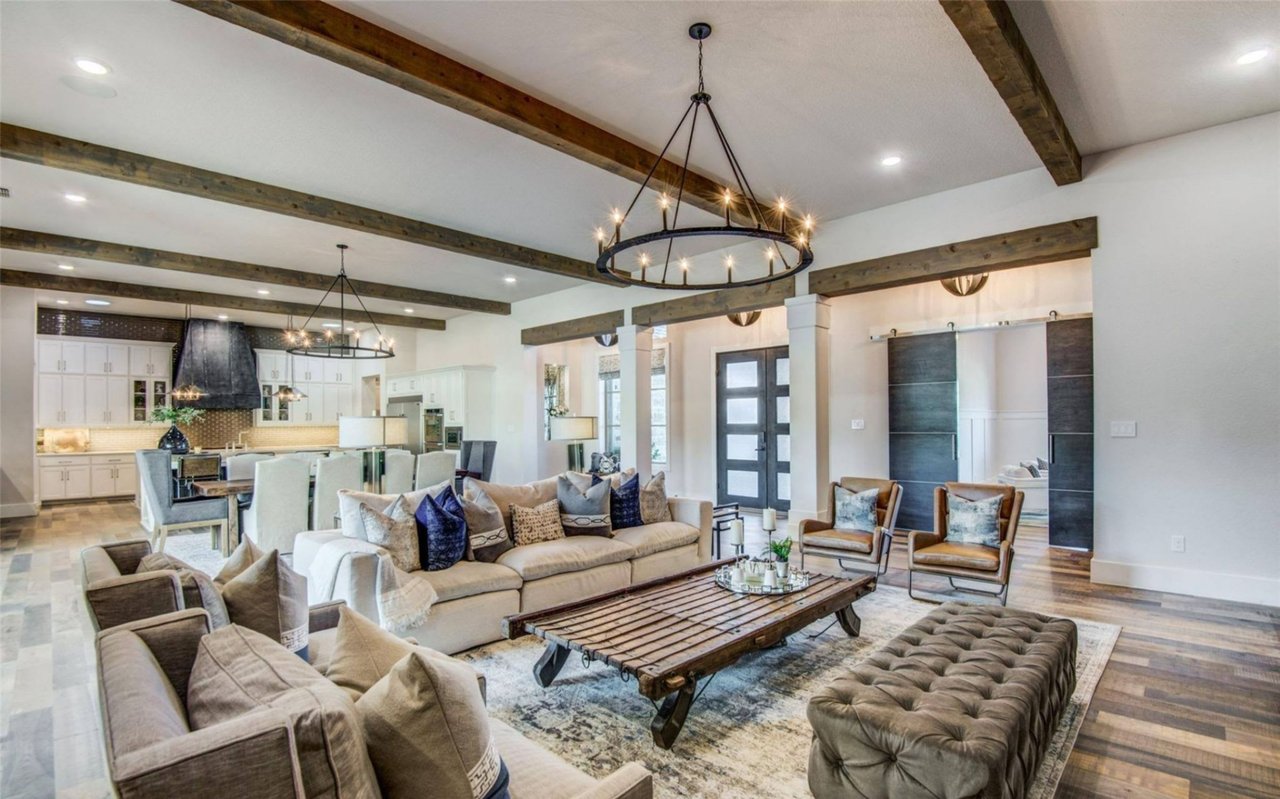
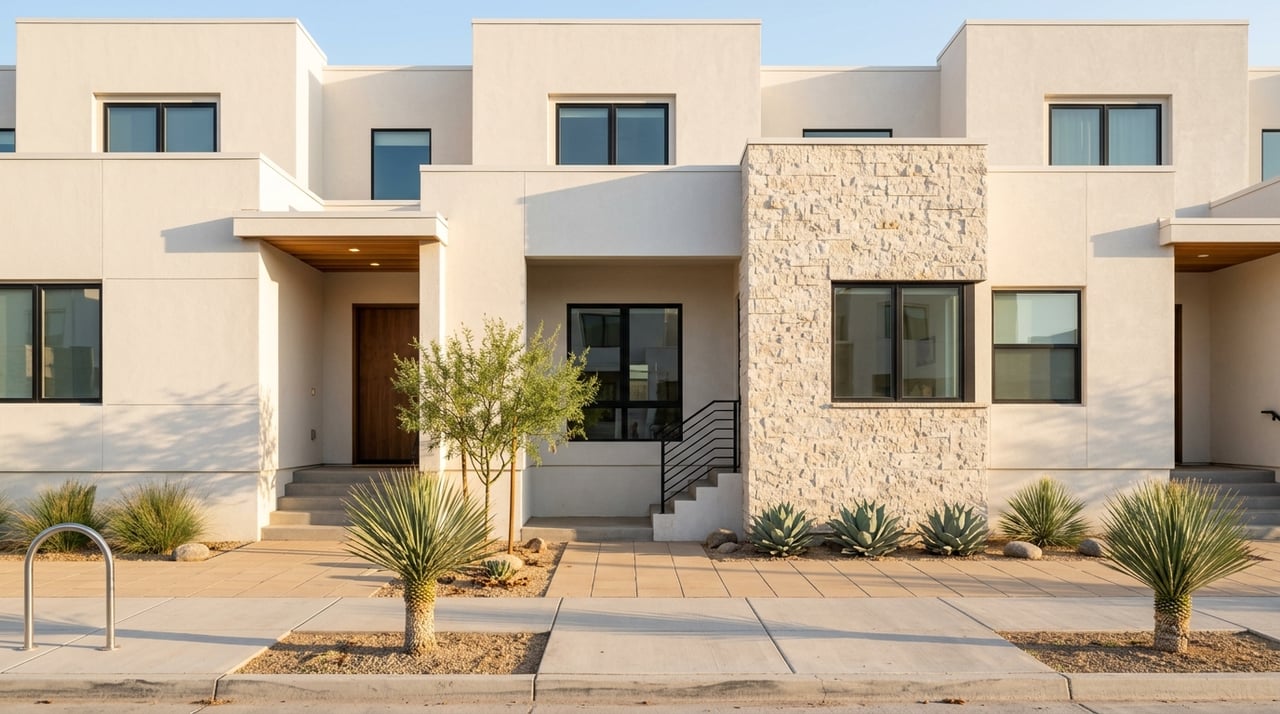
Near the line, you will generally find a mix of condos, townhomes, patio homes, and older single-family neighborhoods close to Main Street. The downtown core has the strongest presence of attached housing.
That mix makes the corridor appealing to several types of buyers. It can work well if you want less exterior upkeep, a smaller footprint, or a home base closer to civic and cultural amenities.
For some buyers, an older detached home near Main Street may also offer a different tradeoff. You may gain location and character while giving up some of the lot size or newer-build features you might find farther from the corridor.
What the market may mean for buyers
The attached-home segment in Mesa appears a bit softer than the detached-home segment. Year to date, townhouse and condo median sales prices were down 4.9% from the prior year, while the single-family median was essentially flat.
If you are deciding between a condo or townhome near transit and a detached home deeper in the suburbs, that difference is worth paying attention to. A softer attached-home segment can create opportunity, especially if your priorities are convenience, lower maintenance, and proximity to the rail line.
This is where local guidance matters. A buyer’s decision is not just about price, but about how you want to live day to day.
Lifestyle along Main Street
The strongest lifestyle appeal along the corridor is in downtown and central Mesa. This is where the stations connect most directly to civic, cultural, and entertainment destinations.
Valley Metro’s Mesa destination guide highlights places like Mesa Arts Center, Arizona Museum of Natural History, Mesa Amphitheatre, and the i.d.e.a. Museum. Center/Main is described as a key connection point and acts as a civic and arts gateway for the area.
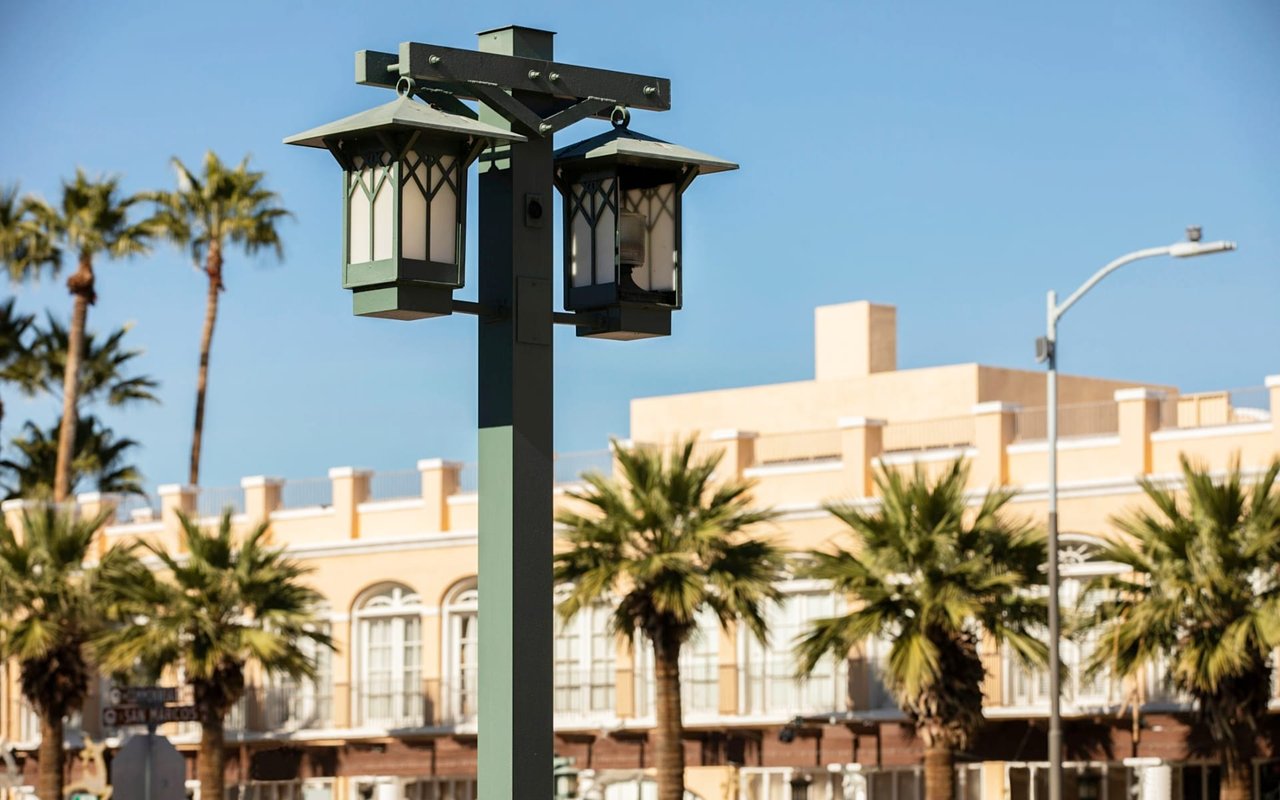
Mesa Dr/Main has a different feel, with station artwork, trellised entries, and nearby access to Pioneer Park and the Temple grounds. Together, these details give parts of the corridor a more active and connected feel than a typical car-first suburban pattern.
Walkability in central Mesa
Mesa’s planning documents make it clear that the Main Street corridor is intended to support a more walkable, mixed-use environment. The Central Main Street Area Plan calls for higher-intensity, transit-oriented development, while the West Main Street Area Plan describes the area as pedestrian friendly and transit friendly.
Those plans also point to mature residential areas and a diverse housing stock. For you as a buyer, that means the corridor is not just about the train itself. It is also about being in an area where the city has planned for neighborhood evolution, local access, and a more connected street experience.
You should still expect Mesa to be largely car-oriented overall. But if you want one of the city’s more walkable pockets, the rail corridor stands out.
Designed for Mesa’s climate
Transit works better when the built environment supports it. Valley Metro says stations were designed with desert heat and sun in mind, and the Gilbert Road Extension added sidewalks and landscaping.
Those details may sound small, but they matter in everyday life. Shade, sidewalks, and local connections can make short walks to stations, restaurants, or nearby destinations more realistic, especially during much of the year.
This is another reason the corridor tends to appeal to buyers looking for a practical middle ground. You get transit access without expecting a dense, fully urban environment.
Who the corridor fits best
Living along the Mesa light rail corridor is usually the best fit if you want a hybrid lifestyle. That often means using transit for some trips, relying on a car for others, and valuing lower-maintenance housing close to downtown amenities.
It can be especially appealing if you commute to downtown Phoenix, Tempe, or need airport access through the 44th St/Washington connection. It may also make sense if you want to be near arts venues, museums, civic spaces, and local events in downtown Mesa.
On the other hand, the corridor may be less ideal if your top priorities are a large yard, a newer detached home, or a lifestyle built almost entirely around driving from door to door. Like any location choice, it comes down to matching the area to your routine and priorities.
Key tradeoffs to consider
Before you buy near the rail line, it helps to think in tradeoffs instead of absolutes. In many cases, you are balancing location and convenience against space and a more traditional suburban setup.
Here are a few of the most common comparisons:
- Near the corridor: often better transit access, more cultural amenities, and more attached-home options
- Farther from the corridor: often larger homes, larger lots, and a more car-dependent daily routine
- Attached homes near Main Street: often lower maintenance and potentially more buyer flexibility in the current market
- Detached homes in broader Mesa: often more space, but usually at a higher median price point
The right choice depends on how you define convenience. For some buyers, that means a garage and extra square footage. For others, it means being able to catch the train, visit downtown Mesa, and simplify the weekly commute.
If you are weighing Mesa neighborhoods and trying to decide whether the rail corridor fits your goals, working with a local expert can help you compare the numbers, the housing stock, and the day-to-day lifestyle more clearly. Whether you are buying your first condo, relocating to the Southeast Valley, or looking for a lower-maintenance home with better access, Celina Acosta can help you make a confident move.
FAQs
What is the Mesa light rail corridor in Mesa, AZ?
- The Mesa light rail corridor is the A Line portion of Valley Metro Rail that runs along Main Street in Mesa from Gilbert Rd/Main St west toward the Downtown Phoenix Hub.
How often does the Mesa light rail run?
- Valley Metro says trains run 365 days a year, with 12-minute weekday peak frequency on the A Line.
What types of homes are common near Mesa light rail stations?
- Near the corridor, you will typically find condos, townhomes, patio homes, and older single-family neighborhoods, with the strongest attached-home presence in the downtown Mesa area.
Are homes near the Mesa light rail more affordable?
- Mesa-wide April 2026 data showed a median sold price of $485,000 for single-family homes and $285,000 for townhouse and condo properties, while Downtown Mesa’s March 2026 all-home median sold price was $385,000.
Is living near Mesa light rail good for commuting?
- Yes, the corridor can work well for commuting to downtown Phoenix, Tempe, and for airport access through the 44th St/Washington connection.
Can you still use a car if you live near Mesa light rail?
- Yes, the corridor is often best for a hybrid lifestyle, and Valley Metro lists free, monitored park-and-rides in Mesa at Sycamore/Main, Mesa Dr/Main, and Gilbert Rd/Main.