What if the right price for your Gilbert home is a range, not a number? Pricing without data can leave money on the table or cause your listing to sit. You deserve a clear, confident plan that blends market metrics with a strategy that matches your goals. In this guide, you’ll learn the exact steps to set your price using Gilbert-specific data, how to adjust for local factors, and when to pivot once you hit the market. Let’s dive in.
Why Gilbert pricing needs data
Gilbert is part of the Phoenix East Valley, so your price is influenced by metro-wide trends, job growth, interest rates, and nearby new-home construction. Neighborhoods can vary a lot in price per square foot, amenities, and HOA rules. That is why a citywide average rarely tells the whole story for your block.
To stay grounded, use local sources that track what buyers are actually paying. The most reliable, real-time stats come from the MLS. Your agent can pull current numbers from ARMLS and regional summaries from Arizona REALTORS market reports. For context on upcoming supply and infrastructure that may affect demand, check Town of Gilbert planning. To verify home facts and tax details, review the Maricopa County Assessor. For the financing environment, watch the Freddie Mac mortgage rate survey.
The metrics that matter
Here are the key indicators to track before you pick a list price:
- Median sale price and 6–12 month trend. Shows current value and direction of the market.
- Sale-to-list price ratio. When homes sell close to or above asking, pricing can be more assertive.
- Days on market (DOM). Short DOM signals strong demand. Longer DOM suggests buyers have more options.
- Active inventory and months of supply. Lower supply often supports higher prices. Rising supply calls for more competitive pricing.
- Price per square foot by neighborhood and home type. Always compare like for like within a small radius.
- New construction share of sales. Builder incentives and spec homes can anchor buyer expectations.
- Financing mix. A higher share of financed purchases can increase appraisal sensitivity.
- School district boundaries. Boundaries can correlate with price differences. Verify with Arizona Department of Education school data and current maps.
A step-by-step pricing framework
Use this repeatable method to set, justify, and defend your list price.
1) Define your goals and constraints
Clarify your net proceeds target after payoff, closing costs, and expected prep or repairs. Confirm your timing and how flexible you are on concessions, credits, or a rent-back. Decide whether your priority is maximum price, faster sale, or a balance of both.
2) Gather your home’s baseline data
Document square footage, lot size, bed and bath count, year built, garage spaces, and pool or energy features. Pull verified details from the Maricopa County Assessor. List updates and receipts for major improvements. Include HOA fees and rules, utility averages, and any permits for remodels or additions.
3) Build a tight comp set
Target 3–8 primary comps sold in the last 90–180 days in your neighborhood or a closely similar micro-area. Match home type and size within about 10–15 percent. Add secondary comps from active and pending listings to see today’s competition. Automated valuations are fine as a reference, but your primary support should come from a local CMA based on ARMLS data.
4) Calculate adjusted values and price per foot
Compute price per finished square foot for each comp. Adjust for key differences like lot size, pool, renovation quality, and garage capacity using reasonable dollar or percentage adjustments based on local sales patterns. Create a supported low, median, and high value range for your home.
5) Overlay market context and strategy
If months of supply is low and DOM is short, you can price toward the upper end of your range or use a strategy that encourages multiple offers. If inventory is climbing and DOM is lengthening, lean conservative to capture early demand. Consider seasonality in the East Valley as you choose how bold to be.
6) Stress-test for appraisal and financing
Make sure several near and recent comps support your price so an appraiser has viable matches. If you price high in a shifting market, document improvements and provide comps for appraisers upfront. Discuss appraisal gap strategies or financing terms with your agent if needed.
7) Select the final price and positioning
Choose a number that fits buyer search bands and psychological price thresholds. For example, being just under a common search cap can expand your audience. Prepare a clean CMA package, inspection records, and permit documentation to support buyer agents and appraisers.
8) Manage live-market feedback
Track showings, online activity, and feedback daily in the first week, then weekly. Set predefined review points at day 7, day 21, and around day 35. If activity is below expectations or there are no offers by median DOM for your area, be ready to adjust.
Gilbert-specific adjustments
Neighborhood micro-markets
Gilbert’s older central areas and newer master-planned communities often have different buyer pools and price per foot. Proximity to major corridors, downtown Gilbert, or shopping can influence value. Always compare within your micro-area rather than relying on city averages.
School boundaries
School zones can affect buyer demand and price. Verify current boundaries and data using official sources like the Arizona Department of Education. Keep school references factual and current.
HOA fees and community amenities
Gated access, community pools, parks, and private lakes can shape buyer expectations. Include HOA fees in your affordability analysis because they affect monthly out-of-pocket costs. Use comps from communities with similar amenities for accurate adjustments.
Pools, yards, and landscaping
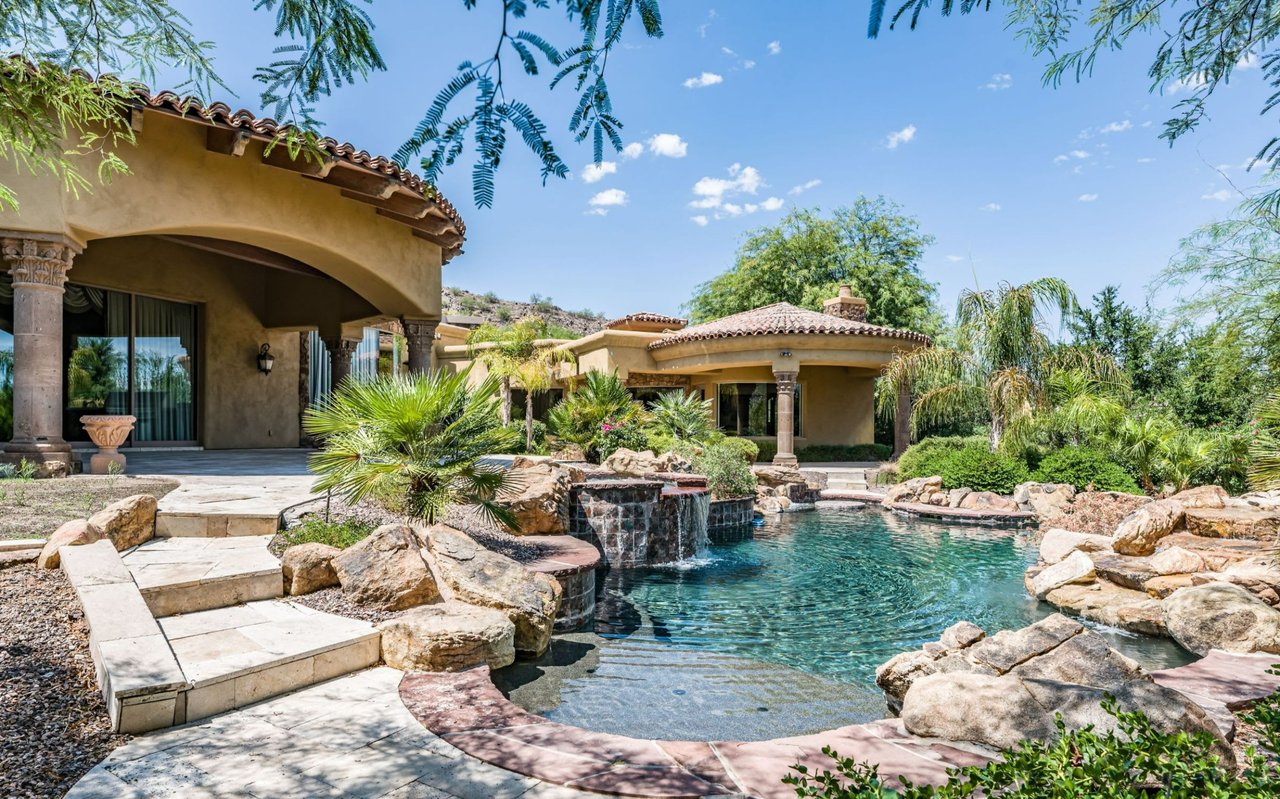
In Gilbert’s climate, many buyers value pools and shaded outdoor space, especially in higher price segments. Xeriscaping can appeal to low-maintenance and water-conscious buyers. Price the pool or landscaping premium using recent local comps rather than a flat dollar figure.
Energy features and solar
Clarify whether solar is owned or leased, and provide documentation. Owned systems are typically valued more favorably by buyers and appraisers. Ensure your CMA accounts for energy upgrades where comps support those adjustments.
New construction competition
Builders in the East Valley often release new phases and offer incentives that influence buyer choices. Compare your price and features to nearby base models and quick-move-in homes. Track local permits and development updates via Town of Gilbert planning.
Seasonality and timing
Winter and early spring often bring more relocating buyers, while summer can slow due to heat. If you list during a slower period, lean into pricing precision and standout presentation. Coordinate open houses and showings around local events to maximize exposure.
Arizona disclosures and taxes
Unresolved disclosure items can reduce offers or invite re-negotiation. Consider a pre-list inspection and price with repair credits in mind. For property tax questions, confirm parcel details and valuation timing with the Maricopa County Assessor.
Set your price range with clarity
Create a supported range rather than chasing a single perfect number. Start with price per foot from 3–5 close comps, multiply by your square footage, then adjust for condition and features. Map that range onto buyer search bands so you capture the widest audience without undermining value.
If rates are trending up, affordability can tighten. Keep an eye on the Freddie Mac mortgage rate survey and cross-check demand signals from Arizona REALTORS. In stronger weeks with lower inventory, you can test the high end of your range. When inventory grows, aim for the middle or slightly below to spark activity.
Manage your price after launch
Use a simple feedback loop to keep your listing competitive:
- Day 1–7: Track showings, agent feedback, and online saves. If engagement is weak, check photos, description, and price position against competing actives.
- Day 7–14: Compare to neighborhood DOM. If you have traffic but no offers, consider a small, strategic adjustment or added incentives.
- Day 21: If you are at or beyond median DOM without offers, plan a meaningful repositioning that moves you into a stronger search band.
- Ongoing: Reassess after each market change, such as a rate swing or new competing listings.
Tools and sources to trust
Your next step
Pricing is part math, part strategy. When you combine accurate comps, clear goals, and proactive market management, you protect your timeline and your net. If you want a data-driven list price, plus professional staging and a marketing plan built for Gilbert buyers, let’s talk. Schedule a consultation with Celina Acosta to get your tailored pricing plan.
FAQs
How do I choose a list price for my Gilbert home?
- Start with an MLS-based CMA, build a price-per-foot range from recent nearby comps, then place your final price within buyer search bands based on current DOM and supply.
Which metrics should Gilbert sellers watch weekly after listing?
- Track showings, agent feedback, online engagement, nearby price changes, and whether you are trending ahead or behind neighborhood median DOM.
Are online price estimates accurate for Gilbert neighborhoods?
- Use them as one input, but rely on an MLS-driven CMA because micro-markets, updates, and HOA differences can make automated estimates unreliable.
How do school boundaries affect pricing in Gilbert?
- Boundaries can influence demand and price; verify current maps and neutral data through official sources like the Arizona Department of Education.
How does new construction around Gilbert impact my price?
- Builders set expectations with incentives and spec homes, so compare your features and net price to nearby new builds and adjust to stay competitive.
When is the best time to list a home in Gilbert?
- Winter and early spring often bring more activity, but a well-prepared, well-priced home can sell year-round; align strategy with current inventory and DOM.