Thinking about selling your Phoenix home but not sure when to hit the market? You’re not alone. In a shifting market, timing can influence how fast you sell and what you net. In this guide, you’ll see what’s happening right now in Greater Phoenix, how seasonality and mortgage rates play into your decision, and practical timelines you can use to plan your launch. Let’s dive in.
Phoenix market snapshot
Phoenix is moving toward balance. According to the ARMLS Q4 2025 summary for Maricopa County, the median sales price was about $475,000, active listings were around 16,047, months supply was approximately 3.3, and the median days on market was about 84 days. Source and date matter for accuracy, so always label your figures. You can review the county snapshot in the ARMLS Q4 2025 report.
Different providers show different numbers because of their methods and timing. For example, Redfin’s January 2026 Phoenix city snapshot shows a median sale price near $450,000 and a median days on market of about 72 days. Zillow’s Phoenix ZHVI sits lower, at roughly $403,800. When you quote data, note the source to keep context clear. See Redfin’s Phoenix snapshot and Zillow’s Phoenix ZHVI.
Mortgage rates shape affordability and buyer behavior. The Freddie Mac Primary Mortgage Market Survey showed the 30‑year fixed averaging around 6.00% the week of March 5, 2026. Even a small rate change can affect monthly payments and who qualifies. Track weekly averages on Freddie Mac’s PMMS.
Local momentum is gradually improving. Recent reporting notes contract activity up about 4% year over year and supply up roughly 5.1% in early 2026. More supply plus steady demand trends lean toward a balanced market, which gives buyers a bit more leverage in some price ranges. See coverage of the shift in the Rose Law Group Reporter.
What drives the best time to list
Seasonality in Phoenix
Across the country, and here locally, the spring to early summer window tends to be the busiest for listings and buyers. Several studies suggest homes listed in spring often sell faster and at modest premiums compared with fall and winter. Recent local coverage points to a June window that has shown a small pricing edge in past years. Review the local angle on seasonality in this Axios Phoenix piece on the best month to sell.
Phoenix has notable exceptions. Winter visitors and event tourism can lift demand from November through April, especially for lock-and-leave condos, resort-style and retiree-friendly properties, as well as golf community homes around Scottsdale and the Southeast Valley. If your home fits those profiles, a winter launch can work well.
Mortgage rates and affordability
Rates are a primary gatekeeper for buyer budgets. A half to a full percentage point swing can change monthly payments and narrow or widen your buyer pool. For example, on a $450,000 purchase with 20% down, a 30‑year fixed at 6.0% implies principal and interest near $2,160 per month. At 7.0%, the same loan jumps to about $2,395, a roughly $230 monthly difference. Keep an eye on Freddie Mac’s weekly average and align your pricing and concessions to what buyers can support.
Inventory, competition and balance
Months supply close to 3 to 4 typically signals a balanced market where neither side holds all the leverage. ARMLS reported about 3.3 months supply in Q4 2025 across Maricopa County, which suggests a more even playing field. That said, micro-markets differ. Some neighborhoods or price tiers still favor sellers, while others are more buyer-leaning. Ground your plan in current ARMLS data for your zip and price band.
Climate and key property features
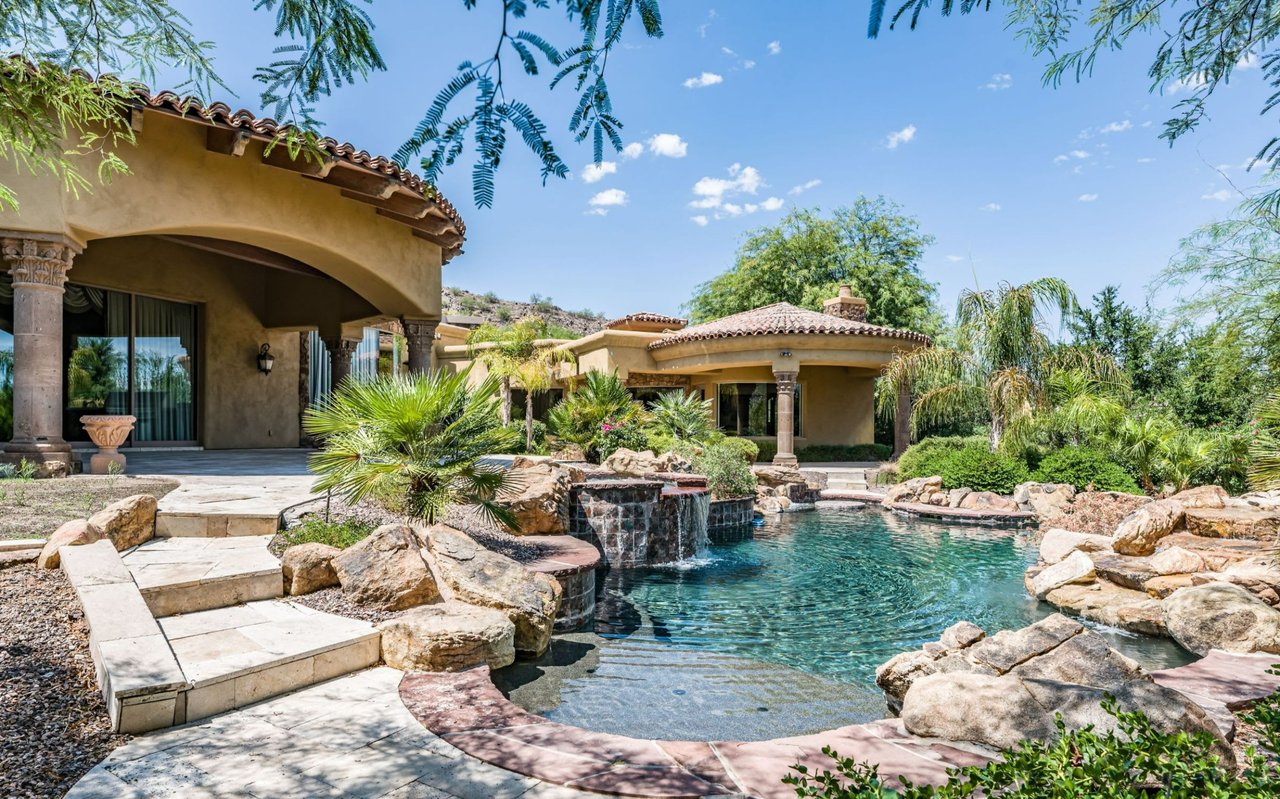
Heat influences showings, presentation, and expectations. Service your HVAC before listing, keep your pool clean and well-maintained, and highlight shaded outdoor living areas. Buyers in Phoenix often treat a pool as expected rather than a major differentiator, and premiums have moderated since pandemic peaks. Axios explored these trends in a report on pool values in Phoenix.
Local economy and new construction
Greater Phoenix’s labor market remained relatively tight through late 2025, which helps support housing demand. You can see the unemployment trend for the metro on the Federal Reserve’s Phoenix MSA series. New construction has also picked up in parts of the Valley. If you’re near areas where builders compete directly with resale homes, timing and presentation should account for builder incentives and fresh finishes.
Should you sell now or wait?
Use your goal and timeline to guide you.
- If you need a firm close date: list when you are ready. Price to the current market and be prepared for inspection credits. Inventory is not at extreme levels, so local buyers are active. Waiting months in hopes of lower rates can add carrying costs without a guaranteed payoff.
- If your goal is price maximization and you can wait: target spring or early summer, which historically trends stronger on speed and price. Confirm the latest inventory and rate direction before locking your date. Recent coverage suggests June has offered a small premium in Phoenix.
- If you plan to sell and buy locally: coordinate both sides. Rising inventory with stable or lower rates helps you more as a buyer than as a seller. Explore options like a short rent-back, a temporary rate buydown credit for your buyer, or bridge solutions. Consult your lender and CPA on monthly costs and tax implications before you decide.
Realistic timelines for Phoenix sellers
Closings after you accept an offer typically take about 30 to 45 days for most financed buyers. That means you should plan backward from your preferred move-out date. For a refresher on typical closing durations, see this Zillow guide to closing timelines.
Selling in 0 to 3 months
- Objectives: move fast, avoid projects that cause delays, price to spark early interest.
- Week 1: choose your agent, get a comparative market analysis and net proceeds estimate, prioritize must-fix items.
- Weeks 2 to 3: deep clean, declutter, neutral paint touchups, service HVAC and pool, minor repairs, light staging.
- Week 4: professional photos and floor plan, launch.
- Tactics: consider a pre-list inspection, use priced concessions instead of renovations, and offer flexible possession or a short rent-back to widen your buyer pool.
Selling in 3 to 6 months
- Objectives: add value with focused cosmetic upgrades.
- Month 1: strategy session and contractor bids for selective updates.
- Months 2 to 3: complete high-ROI refreshes like interior paint, kitchen updates, landscape tune-ups, and any needed HVAC or pool equipment work.
- Final 2 to 4 weeks: final clean, staging, photos, launch.
Selling in 6 to 12 months
- Objectives: consider larger projects that can justify the wait.
- Months 1 to 3: scope work and pull permits as needed.
- Months 3 to 8: complete renovations like a kitchen remodel, roof or major HVAC replacement, or layout changes that add usable space.
- Final 4 to 6 weeks: staging, marketing assets, launch window targeting spring or early summer when possible.
Pricing and offer strategy in a balanced market
- Lead with the market: use current ARMLS comps, not last year’s headlines. Price to attract strong interest in the first one to two weeks.
- Watch rate moves: if rates rise, be ready with concessions like a temporary rate buydown or closing credit to keep buyers engaged.
- Mind the new-build next door: where builders are active, lean into superior staging, feature details, and flexible terms that spec homes often cannot match.
- Streamline the path to closing: consider a pre-list inspection, handle obvious repairs upfront, and set clear expectations on possession timing.
Phoenix seller prep checklist
Use this to stay organized while you plan your timeline.
- Financial and planning
- Request a CMA and net proceeds estimate.
- Order mortgage payoff(s) and set a moving budget.
- Legal and disclosure
- Assemble permits, warranties, HOA documents and service records.
- Complete Arizona’s Seller’s Property Disclosure Statement using the AAR SPDS form. Review the AAR SPDS reference document and follow your agent’s guidance on timing.
- Condition and staging
- Deep clean, declutter, neutralize decor, address visible roof and drainage issues.
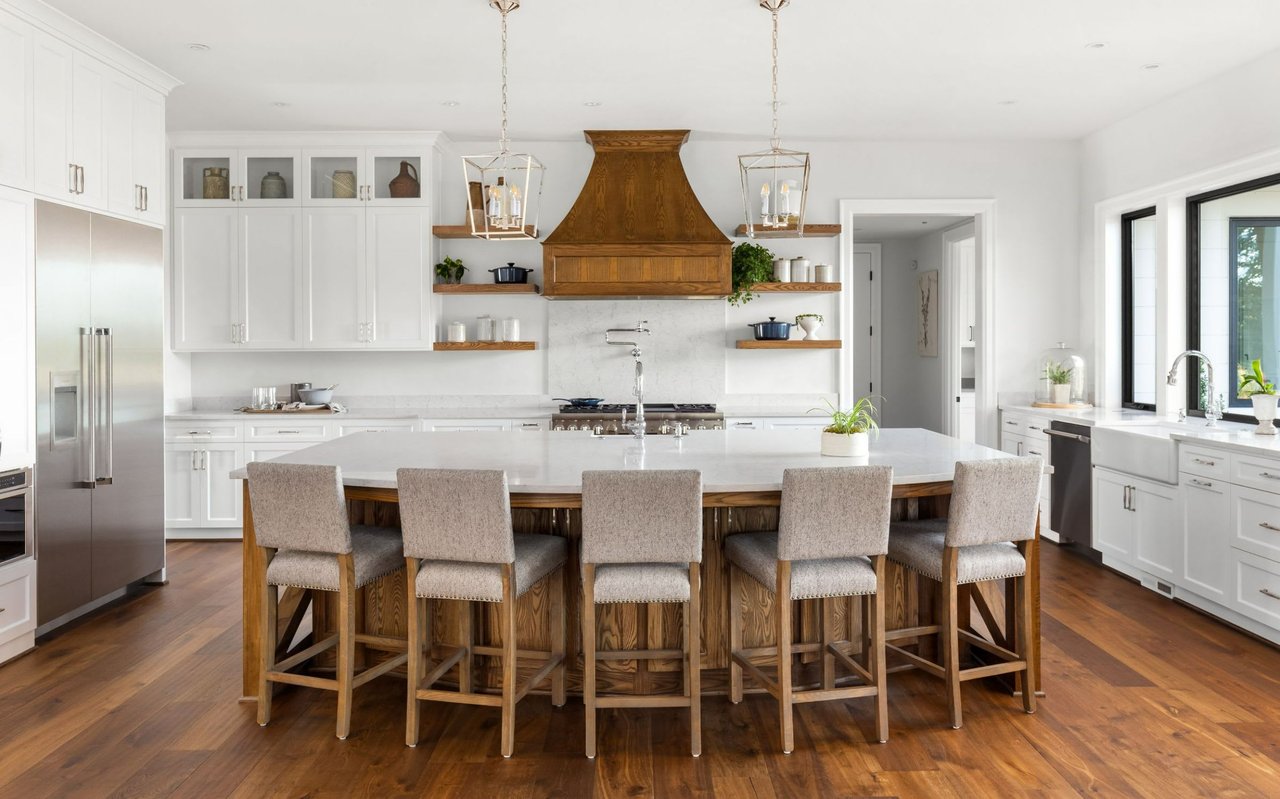
- Service HVAC and pool equipment, and stage high-impact rooms like the kitchen, living room, and primary suite.
- Marketing readiness
- Schedule professional photos, including twilight exteriors that shine in the desert light.
- Provide a floor plan and a concise neighborhood overview with commuting, parks and everyday amenities.
- Contract strategy and timing
- Set your least acceptable net, plan potential concessions, and select a target list date and earliest acceptable close date. Build in 30 to 45 days for mortgage closings.
How to choose your window
If you can time your launch, spring through early summer is often the safest bet for speed and price in Phoenix. If your home appeals to seasonal or second-home buyers, a late fall or winter listing can also perform well. Balance those factors with live data on supply, buyer demand, and mortgage rates, then line up your prep so you hit the market ready for a strong first impression.
Ready to map your options and net the most? Connect with Celina Acosta for a data-backed pricing plan, expert staging, and a clear path from prep to closing. We serve Phoenix and the Southeast Valley, and we are happy to meet in English or Spanish.
FAQs
What is the best month to sell a home in Phoenix?
- Spring through early summer often performs best for speed and price, and recent coverage points to a June window that has shown a small premium historically in Phoenix.
How do mortgage rates affect the timing of my Phoenix sale?
- Rates determine buyer affordability. A small move can change monthly payments and shrink or expand your buyer pool, which affects pricing power and days on market.
What do current Phoenix inventory and DOM mean for sellers?
- ARMLS reported about 3.3 months supply and a median days on market near 84 days in Q4 2025, which signals a more balanced market where pricing and presentation matter.
How long will closing take after I accept an offer in Phoenix?
- Most financed transactions close in about 30 to 45 days, with cash often faster. Plan your list date backward from your ideal move-out.
Do pools still add value when selling a Phoenix home?
- Yes, but the premium has moderated since pandemic peaks. Many buyers consider a pool an expected feature rather than a major differentiator.
Should I list my Phoenix home before buying my next one?
- If you need to maximize leverage on the purchase, consider lining up a rent-back or other timing tools. Coordinate both sides with your agent and lender so your sale supports your next move.